
Fed confirms it will hold no rate vote at its October meeting next year
The Federal Reserve confirmed it will not vote on interest rates at its October meeting next year, part of Chairman Kevin Warsh's plan to cut the number of rate decisions each year.
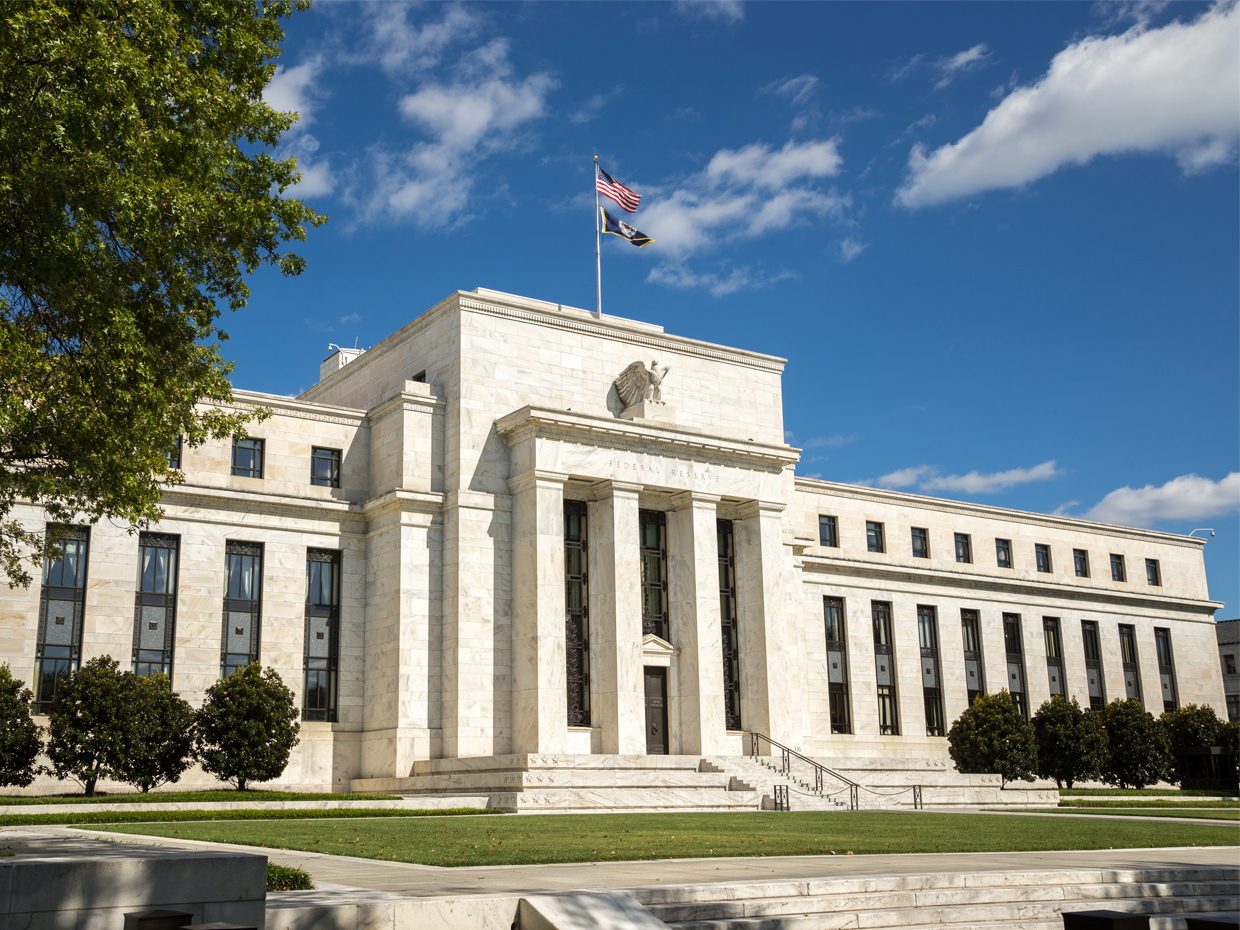
- 01The Fed confirmed on November 13 that it will not vote on rates at its October meeting next year
- 02Chairman Kevin Warsh wants to reduce the number of rate decisions the Fed takes each year
- 03The change is described as the least flashy of his plans for the Fed, but possibly the most lasting
The Federal Reserve confirmed on November 13 that it will not vote on interest rates at its October meeting next year. The step is part of an effort by Chairman Kevin Warsh to reduce the number of rate decisions the central bank takes each year.
What happened
The Fed said the October meeting next year will go ahead without a vote on the level of borrowing costs. The confirmation turns a stated intention of the chairman into a concrete change in the central bank's calendar.
The decision belongs to a wider effort by Warsh to remake the Fed. Of all the ways he wants to change the institution, cutting the number of rate decisions is the least flashy. It may also prove the most lasting.
The news was reported on Friday. The reporting does not give further detail on how many meetings will carry a rate vote in future years, so this report does not state a new total.
Why it matters
Interest-rate decisions are the main tool through which the Fed steers the cost of credit in the US economy. Households, companies and investors around the world follow each vote closely, because it sets the direction of borrowing costs. Fewer votes mean fewer fixed moments at which policy can change.
A smaller number of decisions can alter how the central bank communicates. Markets are used to treating each policy meeting as a scheduled event. With fewer decisions, the Fed would have fewer occasions to signal its stance through a rate vote.
The change is also institutional rather than cyclical. A shift in the rate path can be reversed at the next meeting, while a change in the number of decisions reshapes how the Fed works. This is why the measure is described as potentially durable, even though it draws less attention than a rate move.
For monetary policy, the calendar is part of the framework. The dates on which a central bank may change rates shape how quickly it can respond to new data. A lighter calendar therefore changes the pace at which policy can adjust, whatever the level of rates at any given time.
Market impact
The material available for this report contains no price data on equities, bonds, currencies or rate futures. No market reaction to the confirmation can therefore be reported here. The confirmation covers the October meeting next year only, and it does not set out a view on the direction of rates.
Investors who follow US monetary policy will be looking at how the new, lighter calendar of decisions changes the timing of possible policy moves. The effect on markets will depend on how the Fed describes its approach in the months ahead.
What to watch next
The next step is how the Fed presents the revised calendar and whether it explains the reasoning behind fewer rate decisions. Further announcements on the schedule of the remaining meetings would show how far the change goes.
Observers will also follow whether other parts of Warsh's agenda for the Fed come into focus. The October meeting next year will be the first concrete test of the new approach, since it will take place without a rate vote.
Sources:Wall Street Journal (wsj.com)
UCapital24 S.p.A. or group companies may have commercial relationships with the companies mentioned. This content is not financial advice.
Sign up for free to ask the AI about this article.
Growth, inflation and rates across the major economies, with the impact on your business.