
Eurozone manufacturing sector shows "resilience" but slips to decline

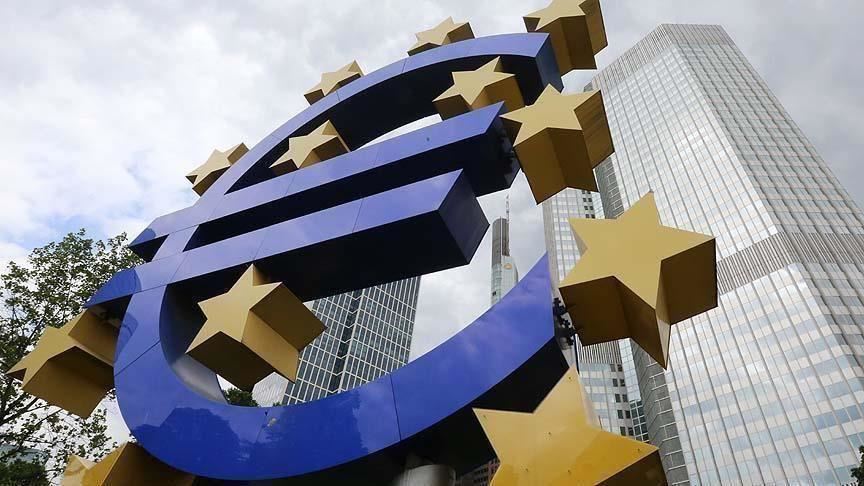
The eurozone manufacturing economy sank into decline in September, on a decline in new orders and a "sharper" pace of job cuts.
The Hamburg Commercial Bank's manufacturing purchasing managers' index fell to 49.8 points in September from 50.7 in August. The reading, below the 50-point neutral mark, suggests the sector is in decline. The reading was above the flash estimate of 49.5.
"Production volumes continued to expand, although the pace of growth slowed markedly from August's near three-and-a-half-year high. As for factory purchasing activity, September saw cutbacks accelerate, while pre- and post-production inventories were reduced further. Firms remained optimistic on balance that output would rise from present levels over the coming year, although expectations were their softest since April," survey publisher S&P Global said.
Surveys showed an "even split" among eurozone nations covered in the PMI.
"At the top of the rankings was the Netherlands, where conditions improved at the fastest pace since July 2022. Greece and Spain continued their growth trends, although upturns slowed on the month. The final eurozone country in expansion mode was Ireland. Weakness was recorded across the currency union's three biggest economies – Germany, France and Italy," S&P Global said.
Optimism for the year ahead fell to its weakest level since April.
Hamburg Commercial Bank analyst Cyrus de la Rubia commented: "The stagnation observed in the manufacturing sector can also be viewed positively. Considering the headwinds like US tariffs, political uncertainty in France and Spain (where both governments are under fire), Germany's rocky start with its new administration, and broader geopolitical tensions, Europe's industrial sector is holding up surprisingly well. It is showing resilience.
"Still, the longer reforms are delayed and the business environment stays unfavourable due to high energy costs and red tape, the harder it gets for companies to stay profitable and competitive. Against this backdrop it is not a surprise that confidence among businesses is lower than the average of the past ten years."
The PMI survey features a panel of 3,000 firms, with responses collected in the second half of the month.
UCapital Asset Management LLP or group companies may have commercial relationships with the companies mentioned. This content is not financial advice.
Sign up for free to ask the AI about this article.
Growth, inflation and rates across the major economies, with the impact on your business.