
Dollar faces sharpest weekly drop in four months

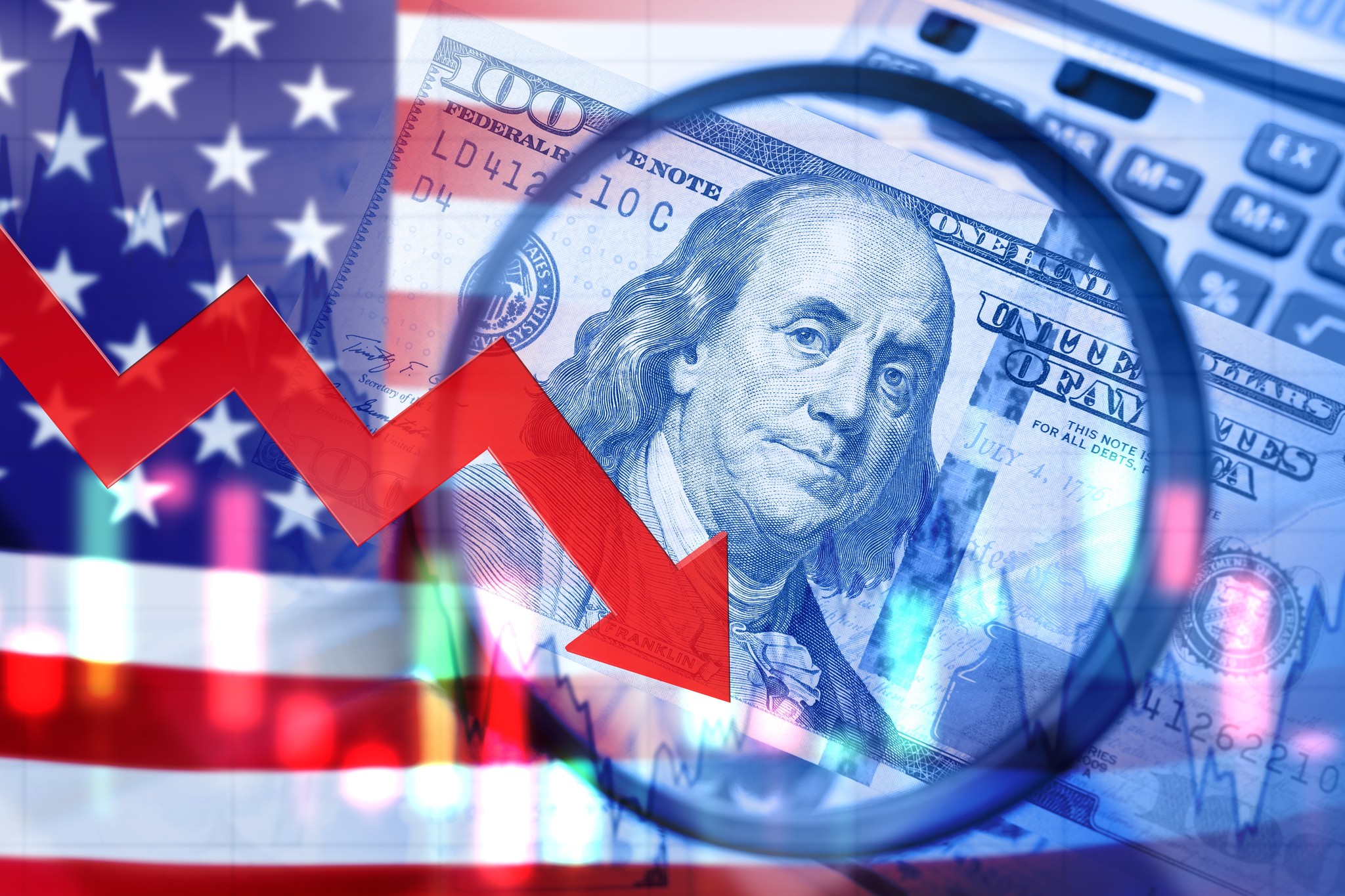
The U.S. dollar is on track for its worst weekly performance since July, as markets increasingly price in a potential Federal Reserve rate cut next month, while the Thanksgiving holiday has reduced liquidity.
The dollar index, which measures the greenback against six major currencies, slipped after five consecutive days of declines. Traders are now assigning an 87% probability to a 25-basis-point Fed rate cut at the December 10 policy meeting, up from 39% a week earlier, reflecting expectations of looser U.S. monetary policy.
Bond yields are showing minor rebounds, but the overall trend reflects investor caution amid slowing domestic growth and low market liquidity. Meanwhile, other currencies reacted differently: the Japanese yen fluctuated after stronger labor and inflation data, suggesting the Bank of Japan may tighten policy; the British pound strengthened after market approval of the UK budget; and the Chinese yuan continued its strong monthly performance.
Analysts note that the dollar’s weakness is tied to a combination of expected Fed easing, global liquidity shifts, and geopolitical concerns, including developments in Ukraine. With markets pricing in divergent monetary policies globally, the greenback is likely to remain sensitive to both U.S. policy signals and international economic data in the coming weeks.
UCapital Asset Management LLP or group companies may have commercial relationships with the companies mentioned. This content is not financial advice.
Sign up for free to ask the AI about this article.
Growth, inflation and rates across the major economies, with the impact on your business.