
Coffee and croissant go cashless: digital payments surge in Italy’s bars

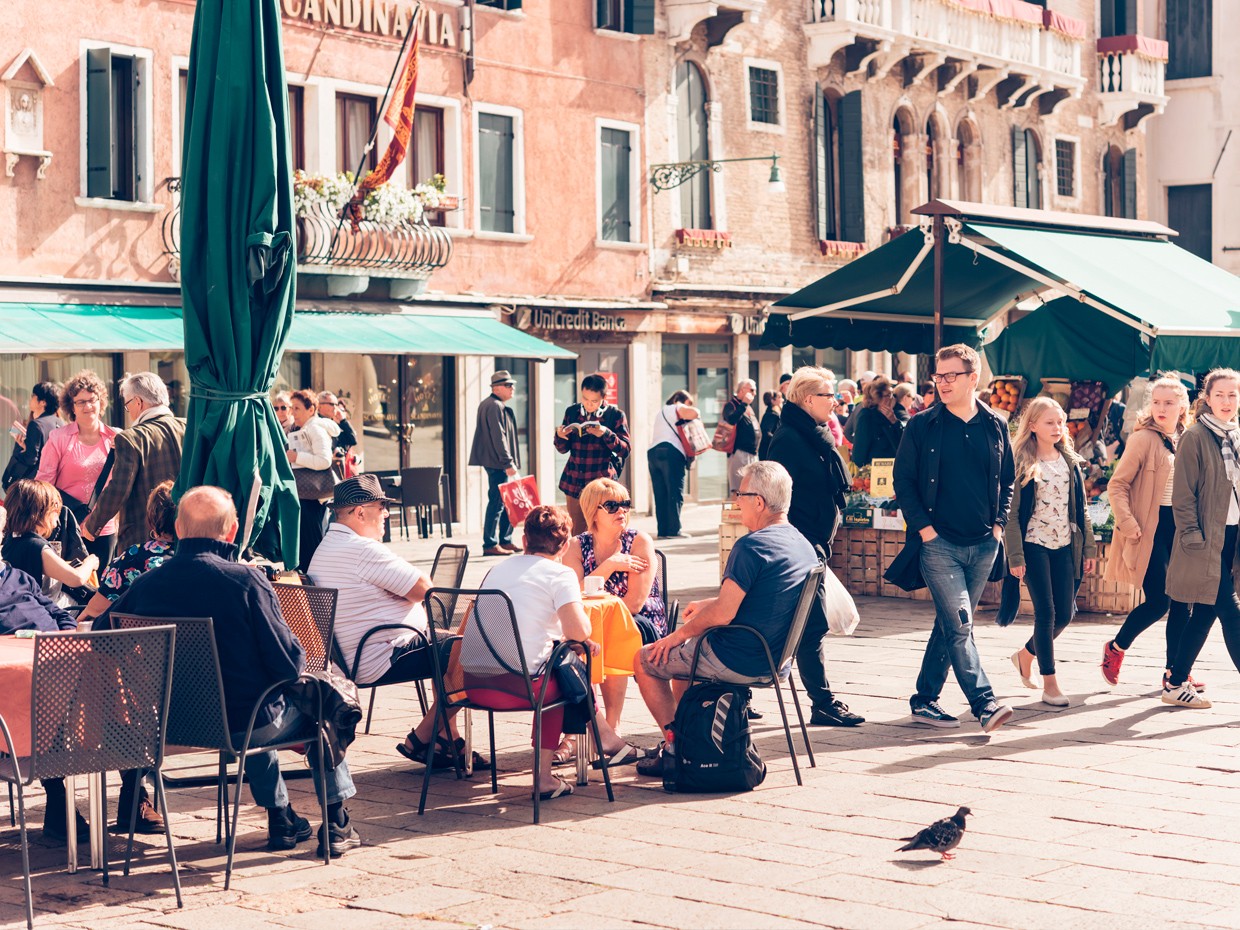
Paying for breakfast with a card is no longer unusual in Italy. In 2025, cashless transactions in bars and cafés grew by 42%, with the sharpest increase recorded in the early morning hours between 6:00 and 10:00 a.m. (+44%). At the same time, the average digital receipt dropped to €11.1 (-4.2% vs. 2024), confirming that Italians are now routinely using cards even for small purchases like a cappuccino at the counter.
According to the SumUp Bar and Café Cashless Observatory, which analyzed payment trends over the first eight months of 2025, southern provinces led the shift. Campobasso (+167.9%), Catanzaro (+113.3%), and Palermo (+90.2%) showed the strongest growth in digital transactions, followed by Ragusa and Sassari.
The study also highlights that 43% of all cashless payments are made before 2:00 p.m., showing how mornings now dominate Italy’s digital breakfast culture. Meanwhile, Bolzano posted the lowest average digital ticket (€9.9), while Piacenza, Bologna, Fermo, and Prato also ranked among the most “cashless-savvy” provinces.
UCapital Asset Management LLP or group companies may have commercial relationships with the companies mentioned. This content is not financial advice.
Sign up for free to ask the AI about this article.
Growth, inflation and rates across the major economies, with the impact on your business.