
Asian bond yields rise as hot US inflation lifts Fed rate hike bets
Government bond yields climbed in Asia on Wednesday after hot US inflation data and hawkish remarks from Federal Reserve officials raised the chances of a rate increase next month.
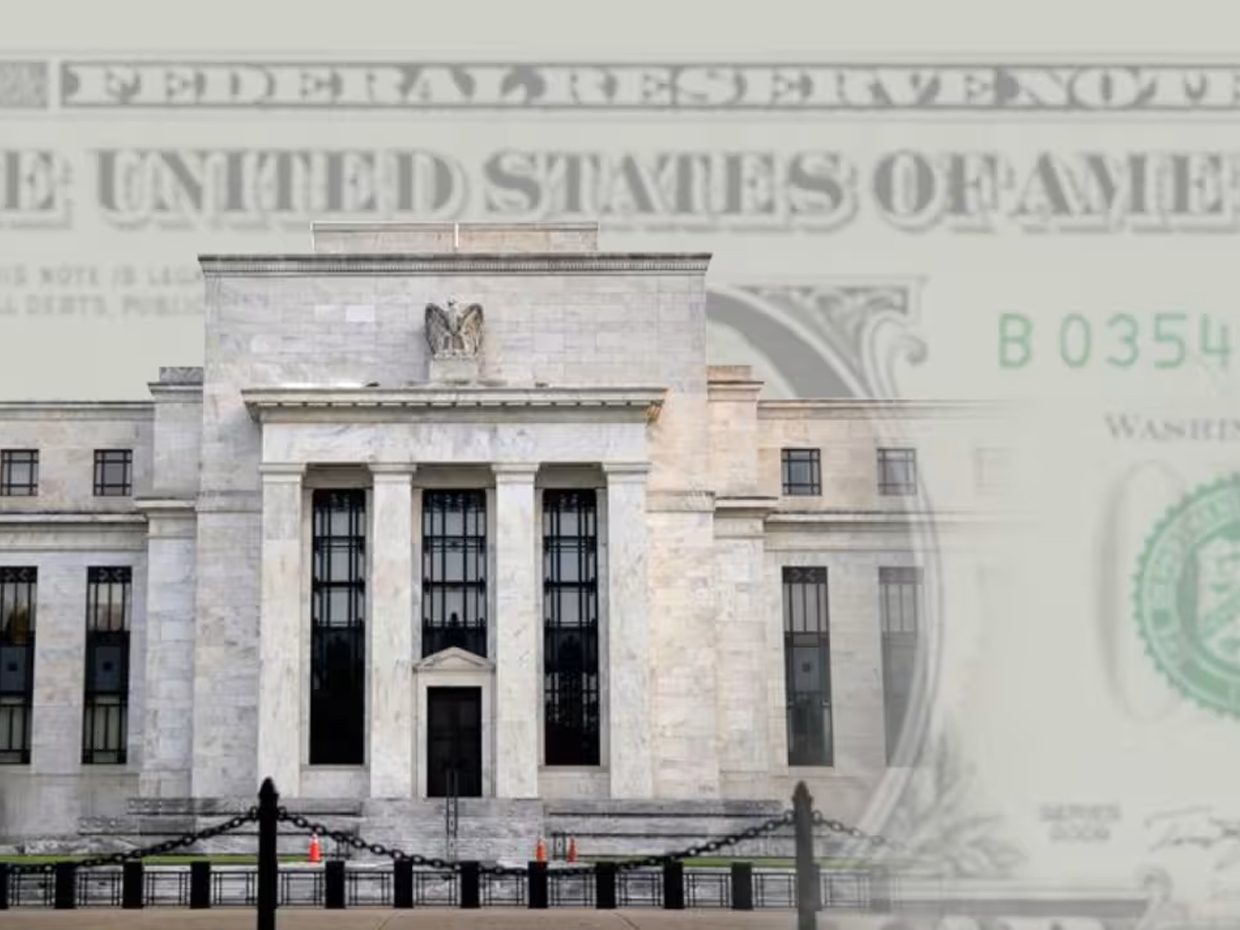
- 01Asian government bond yields rose on Wednesday, 11 November 2026, as bond markets sold off.
- 02US inflation data came in hotter than in prior reports, according to the sources.
- 03Hawkish remarks from Federal Reserve officials added to the pressure.
- 04The chances of a Fed rate increase next month have risen, and some market talk points to a large move.
Government bond yields rose across Asia on Wednesday, 11 November 2026, as investors reacted to hot US inflation data. Bond markets suffered heavy losses as fears grew that the Federal Reserve could raise interest rates by a large amount.
What happened
Yields on government bonds climbed sharply during the Asian session. Bond prices move in the opposite direction to yields, so the rise in yields meant losses for bondholders. Market coverage described the bond market as reeling from the move.
The trigger was the latest US inflation reading, which was hot. Comments from Federal Reserve officials added to the pressure. Their tone was hawkish, which means they leaned toward tighter monetary policy to bring inflation down.
Together, the data and the commentary raised the chances that the Fed will increase its policy rate next month. Some market commentary framed the fear as a jumbo hike, meaning a rate increase larger than the usual step.
Why it matters
US interest rates set the tone for borrowing costs worldwide. When investors expect the Fed to tighten, they usually demand higher yields on bonds in other markets as well. This is why a US inflation surprise can move government bond markets in Asia within hours.
Inflation that stays hot gives central bankers less room to hold policy steady. Officials who sound hawkish signal that they are ready to act if price pressures persist. Markets read such signals closely, because the Fed's decisions affect currencies, capital flows and funding costs for governments and companies across the region.
For Asian economies, a more restrictive US policy stance can tighten financial conditions. Higher US yields can make assets in other markets look less attractive by comparison. That dynamic links a single US data release to the pricing of debt from Tokyo to the wider region.
Market impact
The clearest effect was in fixed income. Asian bond yields rose as traders priced in a greater likelihood of a rate increase next month. The sell-off was broad enough that market reports described heavy losses in the bond market rather than a minor adjustment.
The research available for this report does not provide specific yield levels, so the size of the move in individual markets is not quantified here. What the reports do establish is the direction: yields higher, bond prices lower and rate-hike bets for the Fed stronger.
The episode shows how closely rate pricing tracks incoming inflation data. A single hot reading, combined with hawkish remarks, was enough to shift the market's view of the Fed's next step.
What to watch next
The next focus is the Federal Reserve's decision next month, which the market now sees as more likely to bring a rate increase. Investors will also follow further comments from Fed officials for signs of how large any move could be.
Further US inflation data will matter as well, since it shapes the debate over the pace of tightening. Asian bond markets are likely to keep reacting to these signals, because the pricing of US rates feeds directly into yields across the region.
Sources:reuters.comWall Street Journal (wsj.com)
UCapital24 S.p.A. or group companies may have commercial relationships with the companies mentioned. This content is not financial advice.
Sign up for free to ask the AI about this article.
Growth, inflation and rates across the major economies, with the impact on your business.