
Dream Labs raises $90M seed round led by B Capital and Kindred Ventures for robot AI
San Francisco startup Dream Labs, founded this year, has raised a $90 million seed round to build a foundation model that trains robots from video and natural-language instructions.
- 01Dream Labs, a San Francisco startup founded this year, raised a $90 million seed round co-led by B Capital and Kindred Ventures.
- 02The company builds a foundation model that trains robots from video and natural-language instructions.
- 03A.Capital, Unusual Ventures, Wing VC, SV Angel, Scribble VC and Adrian Aoun also took part in the round.
- 04B Capital, which manages over $10 billion in assets, said in May 2026 it plans to invest $50-$100 million a year in India.
Dream Labs, a San Francisco startup founded this year, has raised a $90 million seed round co-led by B Capital and Kindred Ventures. The company is building a foundation model that trains robots from video and natural-language instructions.
The size of the round matters because it is a seed financing for a company that is only months old, and it points to investor appetite for general-purpose AI models in robotics. For markets, the deal is a data point on where venture money is going in embodied AI, a field where software, rather than hardware, is the pitch.
What happened
Dream Labs raised $90 million in a seed round co-led by B Capital and Kindred Ventures. The company is based in San Francisco, in the United States, and was founded this year.
Several other investors joined the round. The participants named are A.Capital, Unusual Ventures, Wing VC, SV Angel and Scribble VC, along with Adrian Aoun as an individual backer.
The key facts of the financing are as follows:
- Amount raised: $90 million, in a seed round.
- Co-leads: B Capital and Kindred Ventures.
- Other participants: A.Capital, Unusual Ventures, Wing VC, SV Angel, Scribble VC and Adrian Aoun.
- Headquarters: San Francisco, United States.
- Founding: this year, 2026.
What does Dream Labs actually build?
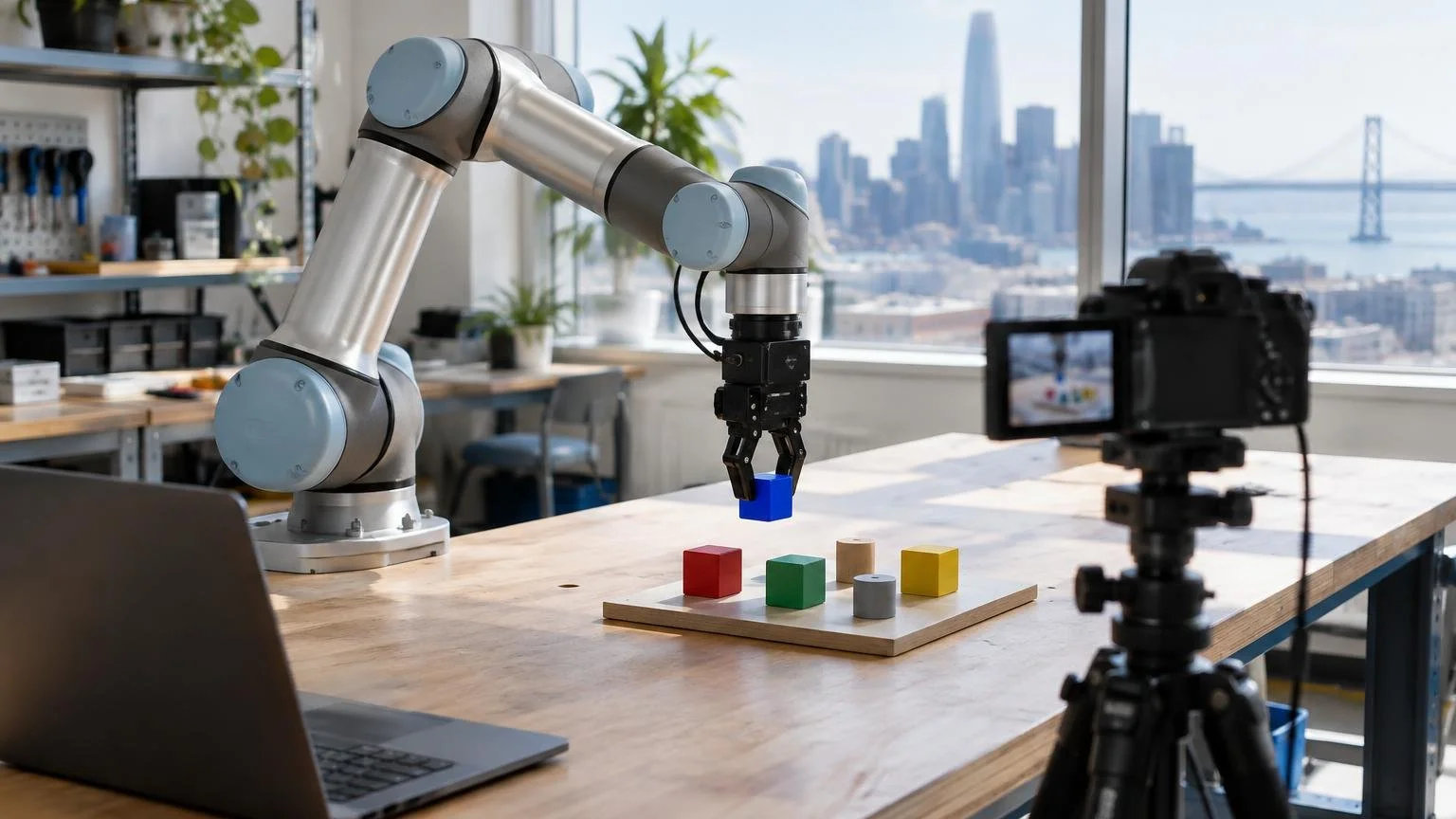
Dream Labs develops a foundation model, a single large AI system meant to be adapted to many tasks, aimed at training robots. Its inputs are video and natural-language instructions, so a robot could be taught what to do by showing it footage and describing the task in plain words.
That approach differs from programming each machine for one narrow job. It places the company in the broader group of Robotics start-ups that treat the robot's control software as a general model rather than a bespoke system for each factory or task.
Who is B Capital, the co-lead investor?
B Capital is an investment firm co-founded by Eduardo Saverin, a co-founder of Facebook, and it has been public about its interest in AI and robotics. In an interview published on 6 April 2025, general partner Karan Mohla said the firm was making a major push to back companies in artificial intelligence and robotics in India and Asia.
On 6 May 2026, a business-press report said the firm plans to invest $50-$100 million annually in India. The same report described B Capital as managing over $10 billion in assets and said it sees potential in the country's growing market, particularly in AI and robotics. Those statements concern India, not Dream Labs, but they show the sector focus of one of the round's two lead investors.
In the 2025 interview, Mohla also said India's strength lies in software engineering and development, and that the country historically did not have much success in robotics but that this had started to change. That view is his own, as a general partner of the firm.
Why it matters
The Dream Labs round matters because it shows a $90 million seed cheque being committed to a company that has existed for less than a year. A financing of this size at the earliest stage is unusual, and it signals that the lead investors are backing the team and the model approach rather than a product with a revenue record.
It also fits a pattern in the stated strategy of B Capital. The firm has said it wants to back AI and robotics companies, and the Dream Labs round puts one of its leads inside a start-up that combines the two. Kindred Ventures shares the lead role, so the round is not dependent on a single investor.
For the wider sector, the deal adds to the evidence that investors are funding foundation-model approaches to robot control. The company's focus on video and natural-language instructions means its model is designed to learn from material that already exists in large quantities, as opposed to data gathered only through slow physical trials. That is the design the company describes; no performance figures were provided.
What are the risks and open questions?
The main open question is whether a model trained from video and instructions can control real robots reliably across different tasks and settings. No benchmarks, customer names, pricing or revenue figures for Dream Labs were available at the time of writing, so the commercial case cannot yet be assessed.
Other uncertainties follow from the company's age. A start-up founded this year has no operating track record, and a seed valuation, if any, was not disclosed in the information available. The investors in the round have not been quoted on their expectations here, and nothing in the available material compares the model with rival systems.
Investor enthusiasm for robotics is also not the same as proof of demand. The statements from B Capital about India and Asia describe an investment intention, and Mohla himself noted that India has historically had limited success in robotics. That caution applies to the sector at large: capital is arriving ahead of established commercial results.
What to watch next
The next steps for Dream Labs are the ones that turn a funded plan into evidence. No dates were given for any of them, so the list below reflects what the facts of the deal make relevant rather than scheduled events.
- Whether Dream Labs publishes technical details or results for its model that trains robots from video and natural-language instructions.
- Whether the company names customers, hardware partners or commercial terms.
- Whether further investors join the seed round beyond those already named.
- How B Capital deploys its stated $50-$100 million a year in India, and whether more of its AI and robotics investments are announced.
The round itself is complete, with the co-leads and participants identified. What the company does with $90 million in its first year will determine whether the financing is seen as a sign of a new category or as an early, large bet on an unproven approach.
Sources:business-standard.comlivemint.com
UCapital Asset Management LLP or group companies may have commercial relationships with the companies mentioned. This content is not financial advice.
Sign up for free to ask the AI about this article.
Discover UCapital Capital Markets: Deal Flow, data room, target investors.