
Tesla unveils second-generation Roadster as a "flying car"; shares climb nearly 5% premarket
Elon Musk presented the long-delayed Tesla Roadster on 15 October, with SpaceX-developed thrusters and aerial maneuvers. Tesla expects production to begin in 2028.

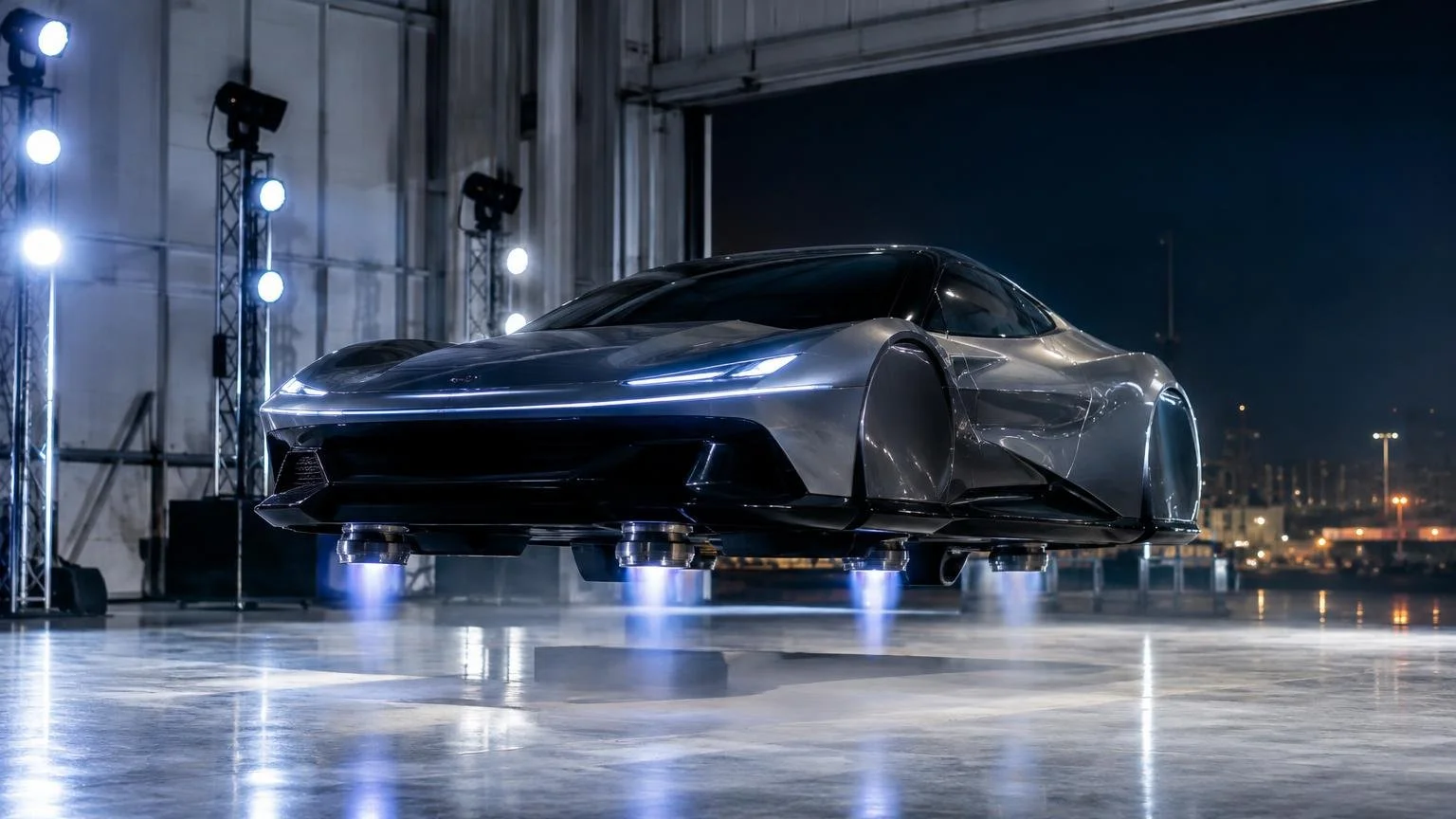
- 01Tesla (TSLA) unveiled its second-generation Roadster at an event on Thursday 15 October, showing aerial maneuvers.
- 02The car uses SpaceX-developed rocket-style thrusters; Tesla expects production to begin in 2028.
- 03Tesla shares rose nearly 5% premarket on 16 October; SpaceX gained more than 1%.
- 04Tesla reports its next quarterly results on 21 October 2026.
Tesla (TSLA) CEO Elon Musk unveiled the second-generation Tesla Roadster at an event on Thursday 15 October, presenting it as a car that can fly. The company describes it as the world's first flying car and expects production to begin in 2028.
The reveal moved markets: Tesla shares climbed nearly 5% in premarket trading on 16 October, while the vehicle's link to SpaceX also lifted the rocket company's stock. For investors in electric vehicles, the show puts a long-delayed product back in focus days before Tesla's next earnings report.
What happened
Tesla showed the Roadster at the event on Thursday, where the vehicle demonstrated aerial maneuvers. The car uses rocket-style thrusters developed by SpaceX, according to the premarket report on the company's move.
Musk said the car will be able to fly, a feature long confined to science fiction and cartoons. The Roadster was first shown in November 2017, when Tesla surprised an audience at the Semi truck unveiling near Los Angeles.
How does it compare with the 2017 promise?
At the 2017 launch, Musk claimed a 0-60 mph time of 1.9 seconds, 0-100 mph in 4.2 seconds and a top speed above 250 mph. He called it "the fastest production car ever made, period." The 2017 coverage cited a base price of $200,000, and the car was never delivered in the years since.
- Unveiling: Thursday 15 October 2026, with aerial maneuvers.
- Production start expected by Tesla: 2028.
- Tesla shares: up nearly 5% premarket on 16 October.
- SpaceX: up more than 1% premarket, also helped by other news.
Why it matters
The Roadster matters for Tesla because it ties the carmaker's story to Musk's other ventures and to a product category that does not yet exist commercially. The premarket jump shows investors reacting to the spectacle rather than to any production figures.
The company's latest reported quarter shows a mixed picture. Earnings per share were 0.33 against an estimate of 0.53, while revenue reached 28.24 billion against an estimate of 26.42 billion. The stock trades at a trailing price-to-earnings ratio of 307.53.
What are the risks and open questions?
The sources give no price, reservation terms or regulatory path for a road-going flying vehicle. Production is not expected until 2028, and the Roadster has already slipped by years since 2017. When the car was first shown, Wall Street coverage noted that impressive specifications left key questions unanswered about performance and about the challenges facing Tesla.
The premarket gain also reflects a single session's trading and can change once markets open.
What to watch next
The next scheduled catalyst is Tesla's quarterly report on 21 October 2026, when the company will update investors on results after the previous quarter's earnings miss and revenue beat.
- 21 October 2026: Tesla's next earnings report.
- Any details on pricing, reservations and the technical specifications of the flight system.
- Progress toward the 2028 production start.
Sources:UCapital Markets (ucapital.com)cnn.comcnbc.comnpr.orgtelegraph.co.ukcnbc.com
UCapital Asset Management LLP or group companies may have commercial relationships with the companies mentioned. This content is not financial advice.
Sign up for free to ask the AI about this article.
Create a free business page: clients, leads and releases in one place.