
Rome Film Fest 2026, the business engine behind the red carpet
Beyond the screenings, the festival drives a multi-channel economic cycle spanning sponsorships, tourism, audiovisual rights and public investment.

- 01The opening film is Il rumore delle cose nuove, directed by Paolo Genovese.
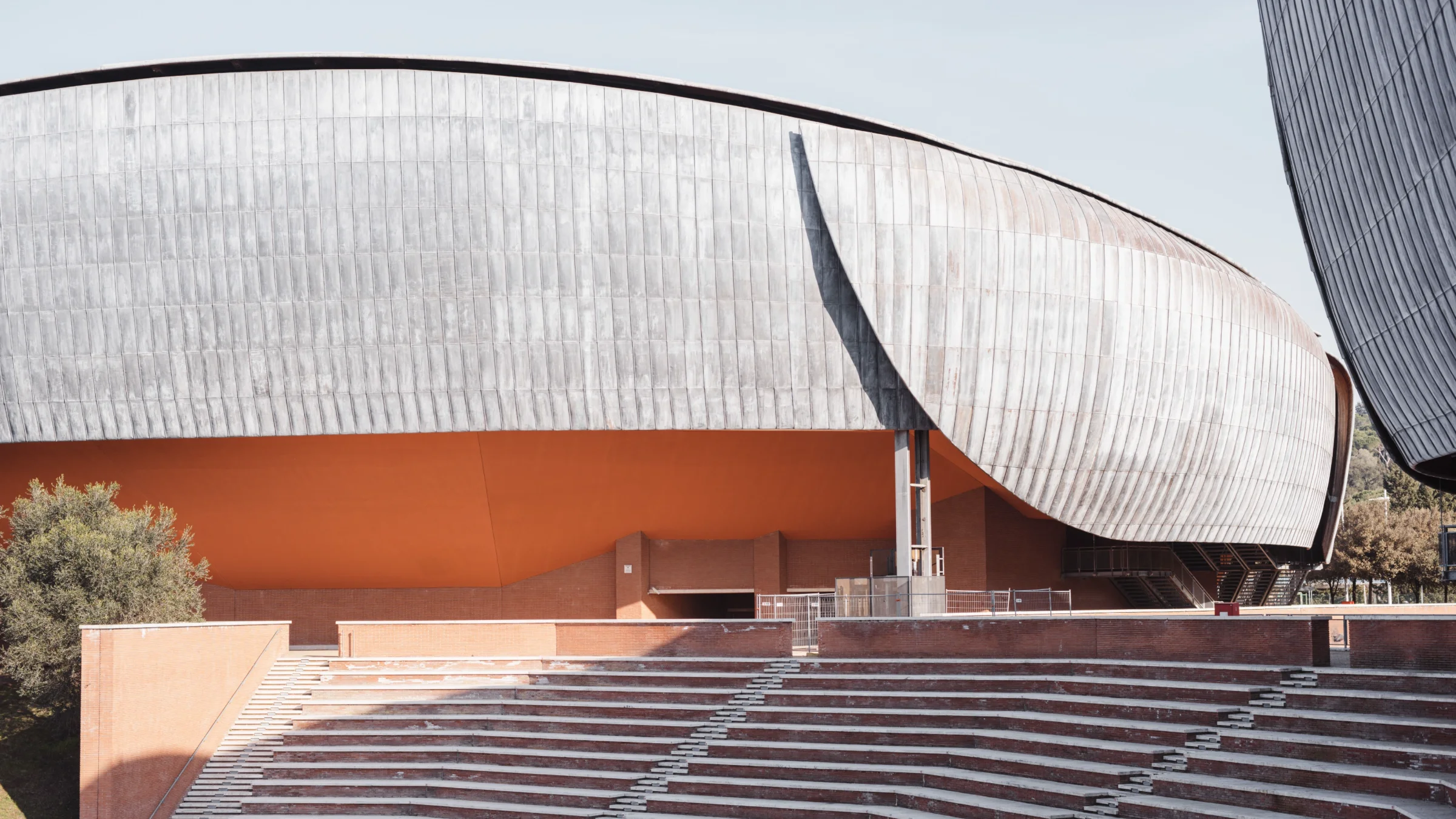
- 02The festival is centred on the Auditorium Parco della Musica and other cultural venues across Rome, with backing from public institutions, partners and sponsors.
- 03The event generates economic activity across sponsorships, tourism, audiovisual rights and the broader Italian audiovisual industry.
Behind the red carpet and the screenings lies a layered economic engine that touches sponsors, hotels, distributors and the wider Italian audiovisual sector.
What happened
The opening film, Il rumore delle cose nuove by director Paolo Genovese, set the tone for an edition that runs for nearly two weeks. Public institutions, private partners and corporate sponsors have all contributed to making the event possible, reflecting the mixed-funding model that has become standard for major European film festivals.
Why it matters
A festival of this scale is not only a cultural showcase: it functions as a concentrated economic event for Italy's capital and for the audiovisual industry at large.
Sponsorships and brand visibility
Corporate sponsors gain access to a high-profile, media-rich environment. Associating a brand with a prestigious cultural event in Rome — one with international press coverage and a well-defined audience — offers a form of visibility that is difficult to replicate through conventional advertising. For sponsors, the festival represents a platform for hospitality, product placement in official communications and direct engagement with cultural opinion-formers.
Tourism and the city economy
Film festivals consistently act as short-term tourism drivers. Accredited professionals, journalists, filmmakers and cinephiles travel to Rome specifically for the event, filling hotels, restaurants and transport services in and around the Auditorium Parco della Musica and the wider city. The concentration of international guests over roughly twelve days generates demand that extends well beyond the festival venues themselves, benefiting Rome's hospitality and retail sectors.
Audiovisual rights and distribution
For the film and audiovisual industry, the Festa del Cinema di Roma serves as a marketplace as much as a showcase. A strong festival premiere can influence a film's subsequent distribution trajectory, both domestically and in international markets. Rights negotiations, co-production discussions and deal-making conversations take place in the margins of the official programme, making the festival a node in the global audiovisual supply chain.
Public investment and cultural policy
The involvement of public institutions reflects Italy's broader strategy of using cultural events to project soft power, support the domestic creative industry and attract inward investment. Funding from public bodies is typically justified not only on cultural grounds but also on the basis of the economic multiplier effect a major festival generates for the host city.
What to watch next
As the programme unfolds through 25 October, attention will focus on which titles generate the strongest industry interest and whether any distribution or rights deals are announced in the festival's wake. The level of international attendance — a proxy for the event's standing in the global festival circuit — will also be a key indicator of its economic and reputational reach.
UCapital Asset Management LLP or group companies may have commercial relationships with the companies mentioned. This content is not financial advice.
Sign up for free to ask the AI about this article.
Create a free business page: clients, leads and releases in one place.