
Trump's $103K H-1B Visa Fee: What It Means
The Trump administration proposes a $103,265 fee on H-1B worker visas, escalating its crackdown on high-skilled immigration and sparking legal…
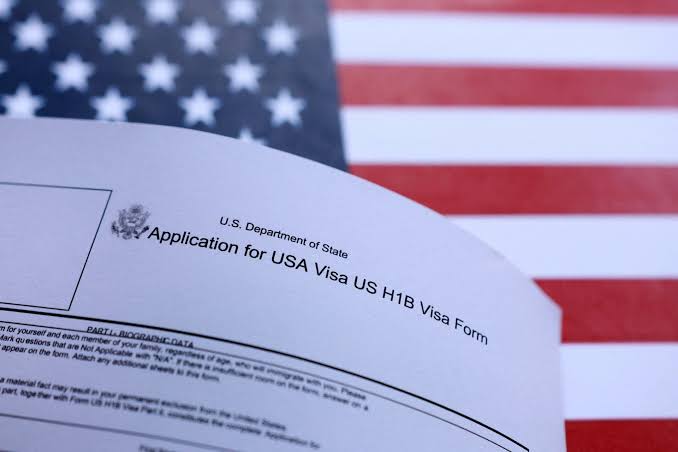
Trump Proposes $103,265 Fee on H-1B Visas
The Trump administration formally proposed on August 24, 2026, a rule to impose a fee of $103,265 on H-1B worker visa petitions, according to a notice published in the Federal Register. The proposal extends a fee framework the administration had previously introduced through executive action and represents one of the most significant financial barriers ever advanced for the H-1B program. If finalized, the rule would dramatically raise the cost of sponsoring high-skilled foreign workers and reshape hiring practices across multiple industries.
The H-1B visa fee proposal arrives amid active litigation over an earlier, similar charge that a federal court has already ruled unlawful. The administration is simultaneously appealing that judicial decision and advancing the new rulemaking — a dual-track strategy that underscores the administration's determination to use financial mechanisms as a tool to restrict high-skilled immigration.
What the Federal Register Notice Says
The Federal Register notice specifies the fee amount of $103,265 and outlines the regulatory mechanism by which it would be applied to H-1B petitions filed by U.S. employers. The publication of the notice initiates a formal rulemaking process, opening the proposal to a mandatory public comment period before any potential finalization. The notice represents a procedurally significant step: unlike executive actions, a formal rulemaking carries greater legal durability if properly executed, though it remains subject to judicial review.
The rulemaking text is expected to detail the full scope of the fee's application, including payment timing, administrative procedures, and any categories of petitioners that may qualify for exemptions or reduced rates.
How the Fee Would Be Applied
Under the proposed rule, employers sponsoring H-1B workers would be required to pay the $103,265 fee per petition, in addition to existing U.S. Citizenship and Immigration Services filing fees, which currently range from several hundred to several thousand dollars depending on petition type and employer size. The cumulative cost of sponsoring a single H-1B worker could therefore exceed $105,000 before accounting for legal and administrative expenses. For companies that file dozens or hundreds of petitions annually, the aggregate financial impact would be substantial.
Legal Challenges: Court Ruling and Ongoing Appeal
The proposed $103,265 fee does not emerge from a legal vacuum. A federal judge has previously ruled that an earlier iteration of the H-1B fee imposed by the Trump administration is unlawful, finding it lacked sufficient statutory authority. That ruling blocked enforcement of the prior fee and delivered a significant setback to the administration's strategy of using financial charges to curtail H-1B usage. The administration is actively appealing the decision, and the outcome of that appellate proceeding will have direct implications for the viability of the new proposal.
The Judge's Ruling Against the Prior Fee
The federal court's ruling centered on the question of statutory authority: the judge found that the executive action imposing the earlier fee exceeded the bounds of what Congress had authorized the executive branch to do unilaterally with respect to visa fees. The decision was not merely procedural — it struck at the legal foundation underlying the administration's broader effort to use fee structures as a restrictive immigration tool. The ruling effectively halted collection of the prior fee pending further legal proceedings.
Administration's Appeal Strategy
By pursuing an appeal of the court ruling while simultaneously advancing a new proposed rule through the formal Federal Register process, the administration is employing a deliberate dual-track legal and regulatory strategy. Legal experts note that the formal rulemaking route, if completed correctly, may provide stronger statutory grounding than the prior executive action — potentially distinguishing the new fee from the one already struck down. However, the parallel litigation introduces significant uncertainty: an adverse appellate ruling could undermine the regulatory effort before it reaches finalization. The administration's approach keeps sustained pressure on employers and the judiciary simultaneously, even as the legal questions remain unresolved.
H-1B Visa Program: Background and Economic Role
The H-1B visa program was established to enable U.S. employers to hire foreign nationals in specialty occupations — roles that typically require at least a bachelor's degree or its equivalent in a specific field. Technology, engineering, finance, and healthcare are among the most common sectors utilizing the program. The program is subject to an annual statutory cap of 65,000 visas, with an additional 20,000 visas reserved for foreign nationals who hold advanced degrees from U.S. institutions.
Demand for H-1B visas has consistently outpaced supply in recent years, with U.S. Citizenship and Immigration Services conducting annual lotteries to allocate the limited number of available slots. Large technology corporations — including major firms in software development, cloud computing, and semiconductor manufacturing — as well as offshore outsourcing companies, are among the heaviest users of the program. This concentration of usage means that any significant fee increase carries outsized consequences for the technology sector and for the broader U.S. economy's capacity to attract global talent.
Broader Immigration Crackdown Under Trump
The proposed H-1B fee is one component of a comprehensive immigration enforcement agenda that the Trump administration has pursued across both undocumented and legal immigration channels. Prior measures targeting the H-1B program specifically have included tightened adjudication standards for specialty occupation determinations, increased frequency of compliance site visits to H-1B worksites, and executive actions restricting or narrowing the scope of certain visa categories. The administration has consistently framed these measures as necessary to protect American workers from displacement by lower-cost foreign labor and to prioritize domestic workforce development.
Impact on Employers and the Tech Sector
A per-petition fee exceeding $103,000 would represent a transformative cost increase for companies that sponsor large numbers of H-1B workers annually. A firm filing 200 petitions per year, for example, would face an additional fee burden exceeding $20 million — a figure that would compel significant restructuring of international hiring strategies. The impact on smaller firms and startups would be proportionally more severe: companies without the financial resources of large corporations could be effectively priced out of the H-1B program entirely, limiting their ability to compete for specialized talent in fields where domestic supply remains constrained.
Arguments For and Against the Fee
Proponents of the proposed fee, including advocates aligned with the administration's immigration policy agenda, argue that a high financial barrier discourages excessive reliance on foreign labor and creates economic incentives for employers to invest in domestic workforce training, apprenticeship programs, and educational pipelines. They contend that the current H-1B system has been exploited — particularly by outsourcing firms — to suppress wages and displace qualified American workers.
Critics, including business associations, technology industry groups, and immigration attorneys, counter that the fee is prohibitively high, economically damaging, and legally unsupported. They argue that restricting access to global talent undermines U.S. competitiveness in sectors where innovation depends on a diverse, internationally sourced workforce. Several business groups have indicated they are prepared to mount legal challenges to the proposed rule if it is finalized.
What Comes Next: Rulemaking Timeline and Outlook
Following publication in the Federal Register on August 24, 2026, the proposed rule enters a public comment period during which employers, industry associations, legal advocates, academic institutions, and individual members of the public may submit formal written responses. Federal administrative law requires the agency to review and respond to all substantive comments before issuing a final rule — a process that typically requires several months at minimum, and often longer for rules of significant economic and legal complexity.
The parallel appellate court proceedings introduce a further layer of uncertainty. If the appeals court upholds the lower court's ruling that the prior fee was unlawful, the decision could cast a long shadow over the new rulemaking, potentially providing grounds for courts to enjoin the $103,265 fee before it ever takes effect. Conversely, a ruling in the administration's favor on appeal could strengthen the legal foundation for the new proposal.
The outcome of this rulemaking will be closely watched by technology companies, immigration attorneys, foreign nationals currently in H-1B status, and policymakers across the political spectrum. The proposed fee, if finalized and upheld, would mark a structural shift in U.S. high-skilled immigration policy with lasting consequences for the domestic labor market and the country's global economic competitiveness.
Disclaimer: This article is intended for informational purposes only and does not constitute legal, financial, or investment advice. Readers should consult qualified legal or financial professionals before making decisions based on immigration policy developments.
UCapital Asset Management LLP or group companies may have commercial relationships with the companies mentioned. This content is not financial advice.
Sign up for free to ask the AI about this article.
Elections, tariffs, sanctions and reforms: what changes for markets, countries and supply chains.