
UAE Detects Two Iranian Ballistic Missiles
UAE Defense Ministry confirms two ballistic missiles launched from Iran fell into the sea, marking the first such incident since the May 4 Fujairah port…
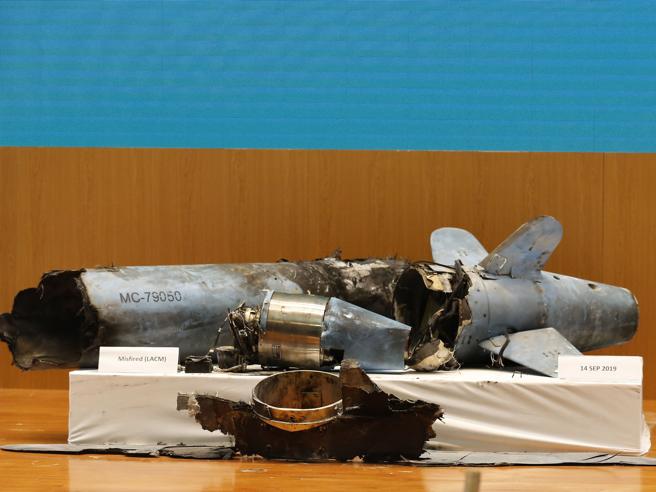
UAE Confirms Two Iranian Ballistic Missiles Detected
The United Arab Emirates Defense Ministry officially confirmed on Tuesday, August 18, 2026, that two ballistic missiles were launched from Iranian territory and detected over UAE-monitored airspace and waters. Both projectiles fell into the sea, with no reported casualties and no damage to vessels or maritime infrastructure. The ministry's public disclosure, issued the same day as the incident, represents the first confirmed Iranian ballistic missile event directed at the UAE since the May 4, 2026 strike on Fujairah port — an attack that had already placed Gulf security on high alert.
The UAE Defense Ministry stated that its monitoring systems tracked both missiles from launch to impact in real time. No interception was carried out, as the projectiles did not strike any land-based or maritime targets. Authorities confirmed that the situation was assessed continuously and that no immediate threat to civilian life or critical infrastructure materialized.
Missiles Targeted Maritime Traffic, UAE Assesses
According to the UAE Defense Ministry's formal assessment, the two ballistic missiles were aimed at disrupting maritime traffic operating in the region. The Gulf's shipping corridors, including those in close proximity to the Strait of Hormuz, carry a substantial share of global oil and natural gas exports. Any deliberate threat to navigation in these waters constitutes a matter of acute international concern, extending well beyond the bilateral relationship between the UAE and Iran. The ministry did not specify which vessels, shipping companies, or transit routes were assessed as the intended targets.
Strategic Significance of Gulf Shipping Lanes
The waters adjacent to the UAE coastline sit at the threshold of the Strait of Hormuz, through which approximately 20 percent of global oil trade transits on a daily basis. The strait represents one of the world's most critical maritime chokepoints, and any deliberate targeting of traffic within or near this corridor carries profound implications for global energy supply chains, commodity pricing, and regional economic stability. Shipping insurers, energy traders, and logistics operators worldwide monitor security conditions in the Gulf with particular vigilance, given the outsized consequences that sustained disruption could produce.
UAE Air and Maritime Defense Response
The UAE Defense Ministry's rapid detection and prompt public disclosure of the missile launches underscore the country's sustained investment in advanced early-warning, radar, and missile-tracking infrastructure. The ministry's statement indicated that both launches were identified and assessed in real time, demonstrating the operational effectiveness of the UAE's integrated air defense architecture. No interception was deemed necessary, as the missiles' trajectories carried them into open water. Authorities indicated that defense posture across the country remained elevated following the incident.
First Incident Since May 4 Fujairah Port Strike
The August 18 missile detections represent the first publicly confirmed Iranian ballistic missile incident involving the UAE since the May 4, 2026 strike on Fujairah port — one of the UAE's most strategically significant commercial and bunkering hubs. The Fujairah attack had prompted widespread international condemnation, heightened security protocols across Gulf ports, and triggered emergency consultations among Gulf Cooperation Council member states. The recurrence of Iranian ballistic missile activity directed toward UAE-monitored waters signals a continued and deliberate pattern of escalatory behavior, rather than an isolated provocation.
Fujairah's port handles a significant volume of ship-to-ship fuel transfers and serves as a critical node in regional and global maritime logistics. A successful strike on its infrastructure would carry immediate consequences for bunkering operations and broader supply chain continuity. The May 4 attack established a precedent of direct Iranian aggression toward UAE civilian and commercial infrastructure, and the August 18 incident reinforces concerns that Tehran is prepared to sustain such pressure.
Iran's Ballistic Missile Program and Regional Tensions
Iran possesses one of the largest and most operationally diverse ballistic missile arsenals in the Middle East, encompassing a range of short- and medium-range systems capable of striking targets across the Gulf and beyond. Tehran has historically employed missile launches as instruments of deterrence and coercive signaling during periods of heightened geopolitical tension, calibrating the scale and visibility of such actions to communicate resolve without necessarily triggering full-scale military retaliation. The August 18 incident occurs against a backdrop of unresolved disputes over Iran's nuclear program, active regional proxy conflicts, and stalled diplomatic negotiations between Tehran and Western powers.
Iran's Missile Capabilities: A Regional Overview
Iran's ballistic missile inventory includes well-documented systems such as the Shahab, Qiam, and Fateh series, with operational ranges spanning from several hundred to more than two thousand kilometers. These capabilities allow Iran to project force across the Gulf and into neighboring territories, threatening both land-based infrastructure and maritime assets without deploying conventional naval or air forces in a manner that would constitute an unambiguous act of war. The combination of range, mobility, and relative affordability makes ballistic missiles a preferred instrument of Iranian strategic signaling.
Escalation Dynamics in the Gulf
The Gulf region has experienced a sustained series of escalatory incidents in recent years, encompassing attacks on oil tankers, drone strikes against port and energy infrastructure, and acts of maritime sabotage. Each incident has tested the resilience of regional security frameworks and the resolve of international actors. The United States maintains a significant military presence in the Gulf, including naval assets and air defense systems, and has historically responded to Iranian provocations with a combination of diplomatic pressure, sanctions enforcement, and targeted military posturing. The August 18 incident is likely to prompt renewed consultations between Washington and its Gulf partners regarding the adequacy of current deterrence arrangements.
International Implications and Expected Responses
The confirmed Iranian ballistic missile launches are expected to prompt formal diplomatic protests from the UAE and calls for accountability from Western allies, including the United States, the United Kingdom, and France, as well as from Gulf Cooperation Council partners. The incident may also trigger renewed deliberations at the United Nations Security Council regarding Iran's compliance with international norms governing ballistic missile use, including relevant provisions of prior Security Council resolutions.
Global energy markets are expected to respond to the incident with heightened sensitivity, particularly if further escalation appears probable. Shipping insurers operating in the Gulf region may revise war-risk premium assessments for vessels transiting UAE waters and the broader Strait of Hormuz corridor. Commodity analysts will monitor whether the incident influences crude oil pricing in the near term, given the potential for supply disruption if hostilities were to intensify.
The broader diplomatic trajectory will depend in part on whether Iran issues any statement acknowledging or justifying the launches, and on the degree to which international partners are willing to impose tangible costs on Tehran for the provocation. As of the time of publication, no Iranian government statement had been attributed to the incident.
Disclaimer: This article is intended for informational purposes only and does not constitute financial or investment advice. Readers should conduct their own due diligence before making any investment decisions related to energy markets, commodities, or securities referenced in this article.
UCapital Asset Management LLP or group companies may have commercial relationships with the companies mentioned. This content is not financial advice.
Sign up for free to ask the AI about this article.
Elections, tariffs, sanctions and reforms: what changes for markets, countries and supply chains.