
Trump Vows Unprecedented Sanctions on Iran
President Trump pledges sweeping new economic measures against Tehran as Treasury Secretary Bessent warns of sanctions "never seen before," escalating U.S.-Iran tensions.
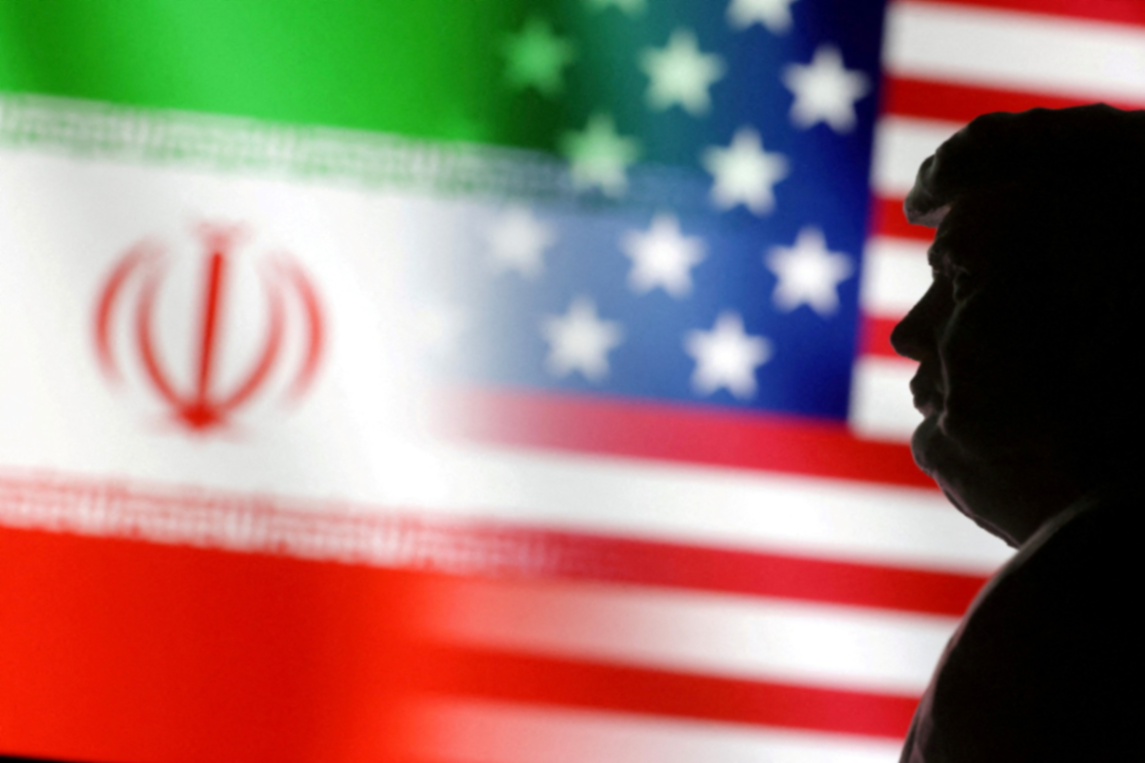
Trump and Bessent Signal Unprecedented Iran Sanctions
The United States government issued its most forceful economic warning to Iran in years on August 16, 2026, when Treasury Secretary Scott Bessent publicly declared that Washington would impose sanctions on Tehran of a scale and nature "never seen before." Bessent indicated that implementation could begin as early as the following week. President Donald Trump reinforced that position on August 17, vowing to strike Iran hard economically. The coordinated statements from the executive branch signal a deliberate, imminent, and potentially transformative escalation in U.S. policy toward Tehran — one that analysts are already comparing to the most aggressive phases of prior American economic statecraft.
Trump's Public Vow: Scope and Timing
President Trump's August 17 statement confirmed the administration's intent to act swiftly and decisively, framing the forthcoming measures as a direct response to Iran's continued defiance of international norms, including its advancing nuclear enrichment program and its sustained support for regional militant proxies. The White House has not yet disclosed the precise instruments to be deployed, but the language employed by both the President and his Treasury Secretary suggests measures that extend well beyond the existing sanctions architecture — one of the most extensive unilateral economic pressure regimes ever constructed against a single nation-state.
The administration's posture reflects a clear preference for coercive economic statecraft over renewed multilateral diplomacy, a stance consistent with the strategic orientation Trump demonstrated during his first term. The explicit emphasis on imminence — with Bessent citing a timeline of days rather than weeks or months — suggests that the relevant executive orders, OFAC designations, and secondary sanctions frameworks are already in advanced preparation within the Treasury Department.
Bessent's Treasury Warning: 'Never Seen Before'
Secretary Bessent's remarks on August 16 were notable for their explicit emphasis on novelty. By characterizing the forthcoming measures as unprecedented, Bessent signaled that the Treasury Department is preparing tools that extend beyond the well-established Office of Foreign Assets Control (OFAC) designation and secondary sanctions playbook. Analysts interpret this language as a possible expansion of financial network exclusions, sovereign asset freezes targeting Iran's central bank and state-owned enterprises, or new secondary sanctions specifically designed to close the informal oil export channels through which Iran has partially circumvented existing restrictions. The deliberate use of the phrase "never seen before" appears calibrated to maximize deterrent signaling ahead of formal implementation.
The Architecture of Existing U.S. and International Sanctions on Iran
To understand what "unprecedented" Iran sanctions might entail, it is essential to map the existing framework that any new measures would need to surpass. The United States, United Nations, and European Union have constructed a multi-layered sanctions regime against Iran spanning nearly five decades, originating in the aftermath of the 1979 Islamic Revolution and the seizure of the U.S. Embassy in Tehran. These measures encompass asset freezes, comprehensive trade embargoes, financial system exclusions, and targeted designations against hundreds of individuals and entities.
U.S. Sanctions: OFAC Designations and Secondary Sanctions
The U.S. Treasury's Office of Foreign Assets Control administers the primary American sanctions architecture. This framework includes the blocking of Iranian government assets held in U.S. jurisdictions, the prohibition of most trade and financial transactions involving Iran, and the imposition of secondary sanctions on non-U.S. entities that conduct business with designated Iranian parties. The legal foundation rests on a series of legislative instruments — including the Iran Sanctions Act, the Comprehensive Iran Sanctions, Accountability, and Divestment Act (CISADA), and a succession of executive orders — that have collectively produced one of the most extensive unilateral sanctions regimes in modern history. Secondary sanctions, in particular, have proven to be a powerful extraterritorial tool, compelling foreign banks and corporations to choose between access to the U.S. financial system and continued engagement with Iran.
UN and EU Multilateral Measures
The United Nations Security Council has passed multiple resolutions under Chapter VII of the UN Charter imposing arms embargoes, travel bans, and asset freezes on Iran, primarily in response to its nuclear program. The European Union has mirrored and in several cases exceeded UN measures, implementing restrictions on Iran's oil and gas sector, curtailing banking relationships, and — in a landmark step — facilitating the exclusion of Iranian banks from the SWIFT international payments network. This multilateral architecture has historically amplified the impact of U.S. unilateral measures, though its coherence has been tested by divergent national interests among Security Council members, particularly China and Russia.
Historical Context: Decades of Economic Pressure on Tehran
U.S.-Iran economic confrontation dates to the immediate aftermath of the 1979 Islamic Revolution, when President Jimmy Carter froze approximately $12 billion in Iranian assets following the seizure of the U.S. Embassy in Tehran. Successive administrations progressively tightened restrictions, but the most significant modern escalation occurred during Trump's first term between 2017 and 2021, under the so-called "maximum pressure" campaign that followed the U.S. withdrawal from the Joint Comprehensive Plan of Action (JCPOA) in May 2018. These historical cycles of pressure and negotiation provide the essential backdrop against which the current announcement must be assessed.
The Maximum Pressure Campaign (2018–2021)
Following the U.S. withdrawal from the JCPOA, the first Trump administration reimposed all previously waived nuclear-related sanctions and added hundreds of new OFAC designations targeting Iran's oil, shipping, banking, and metals sectors. The macroeconomic consequences for Iran were severe and measurable: Iranian crude oil exports fell sharply as major importers — including South Korea, Japan, and India — reduced or eliminated purchases under the threat of U.S. secondary sanctions. The Iranian rial lost a substantial portion of its value against the U.S. dollar, and domestic inflation surged to levels that eroded household purchasing power across the country. The maximum pressure campaign demonstrated both the potency of a coordinated U.S. sanctions escalation and its limitations, as Iran did not capitulate to American demands and instead accelerated elements of its nuclear program.
Iran's Economic Resilience and Sanctions Evasion
Despite sustained and intensifying pressure, Iran has developed a range of mechanisms to partially mitigate the impact of sanctions. These include barter trade arrangements with willing partners, the use of intermediary jurisdictions and front companies to obscure the origin of transactions, cryptocurrency-based transfers to bypass the formal banking system, and the operation of a so-called "shadow fleet" of tankers that transport Iranian crude oil to buyers — most notably in Asia — without triggering formal sanctions exposure. These adaptive strategies significantly complicate the enforcement of any new measures and underscore the formidable challenge facing U.S. policymakers in designing economic instruments that are genuinely novel in their reach and effectiveness.
Geopolitical Drivers: Why Washington Is Escalating Now
The renewed U.S. pressure on Iran is driven by a confluence of strategic factors. Iran's advancing nuclear enrichment program, its continued material support for regional militant proxies, and broader American strategic competition in the Middle East all contribute to the current escalation. The timing of the announcement — framed as imminent and explicitly unprecedented — reflects both domestic political imperatives and a calculated effort to maximize diplomatic leverage at a moment when no active comprehensive nuclear agreement is in force.
Iran's Nuclear Program: The Core Trigger
Iran's nuclear enrichment activities have remained the central justification for international sanctions since the early 2000s, when clandestine facilities were first revealed to the international community. With enrichment levels reported at near-weapons-grade concentrations in recent years and the JCPOA effectively defunct, the absence of a binding multilateral framework has removed the primary diplomatic constraint on both Iranian nuclear activity and American punitive responses. The U.S. administration has cited the nuclear file as the primary rationale for the forthcoming measures, framing economic pressure as the principal available instrument of non-military coercion.
Regional Proxy Networks and Human Rights Concerns
Beyond the nuclear dimension, Washington has consistently cited Iran's material support for armed groups — including Hezbollah in Lebanon, Hamas in Gaza, and Houthi forces in Yemen — as a core justification for sustained economic pressure. These proxy networks have been designated as terrorist organizations by the United States, and the financial flows that sustain them have been a recurring target of OFAC enforcement actions. Human rights violations, including the violent suppression of domestic dissent within Iran, have also been cited by both the EU and the U.S. as grounds for targeted individual sanctions, broadening the political coalition that supports punitive measures and providing additional legal and moral justification for escalation.
Market and Diplomatic Implications of New Iran Sanctions
The prospect of unprecedented U.S. Iran sanctions carries significant implications for global oil markets, regional geopolitics, and the diplomatic postures of key third-party actors. Energy markets are particularly sensitive to any measures that further constrain Iranian crude exports, which have served as a marginal but meaningful supply source for several Asian economies. The diplomatic reactions of multilateral partners will ultimately determine whether the new measures achieve broad enforcement or face the fragmentation that has historically limited the reach of unilateral U.S. economic pressure.
Oil Market Sensitivity and Energy Price Risks
Iran holds the world's fourth-largest proven oil reserves and, despite existing sanctions, has maintained a level of crude exports through informal channels. Any effective new measures that materially restrict Iranian oil flows could exert upward pressure on global crude prices, with knock-on effects for inflation and monetary policy in import-dependent economies across Asia, Europe, and beyond. The magnitude of the price impact would depend on the degree to which the shadow fleet and intermediary trading networks are successfully disrupted — an enforcement challenge that has historically proven difficult to sustain over extended periods.
Allied and Adversarial Diplomatic Responses
European allies, while broadly aligned with U.S. concerns over Iran's nuclear program and human rights record, have historically preferred diplomatic engagement and have resisted the extraterritorial reach of U.S. secondary sanctions, which effectively compel foreign companies to comply with American policy on pain of losing access to U.S. markets. China and Russia — both permanent members of the UN Security Council — have opposed additional multilateral measures against Iran and are likely to continue facilitating Iranian trade through bilateral arrangements that fall outside the reach of U.S. enforcement. The effectiveness of the forthcoming measures will therefore depend heavily on the rigor and breadth of secondary sanctions enforcement against third-country entities, and on Washington's willingness to impose costs on allied and adversarial trading partners alike.
The administration's coordinated signaling from both the White House and the Treasury Department represents one of the most explicit pre-announcement escalations in U.S. sanctions history, designed to maximize deterrent effect before formal implementation begins.
Disclaimer: This article is intended for informational purposes only and does not constitute financial or investment advice. Readers should conduct their own due diligence before making any investment decisions. UCapital24 does not recommend specific financial products or services.
UCapital Asset Management LLP or group companies may have commercial relationships with the companies mentioned. This content is not financial advice.
Sign up for free to ask the AI about this article.
Elections, tariffs, sanctions and reforms: what changes for markets, countries and supply chains.