
DayOne initial public offering could value GDS Holdings unit near $20B
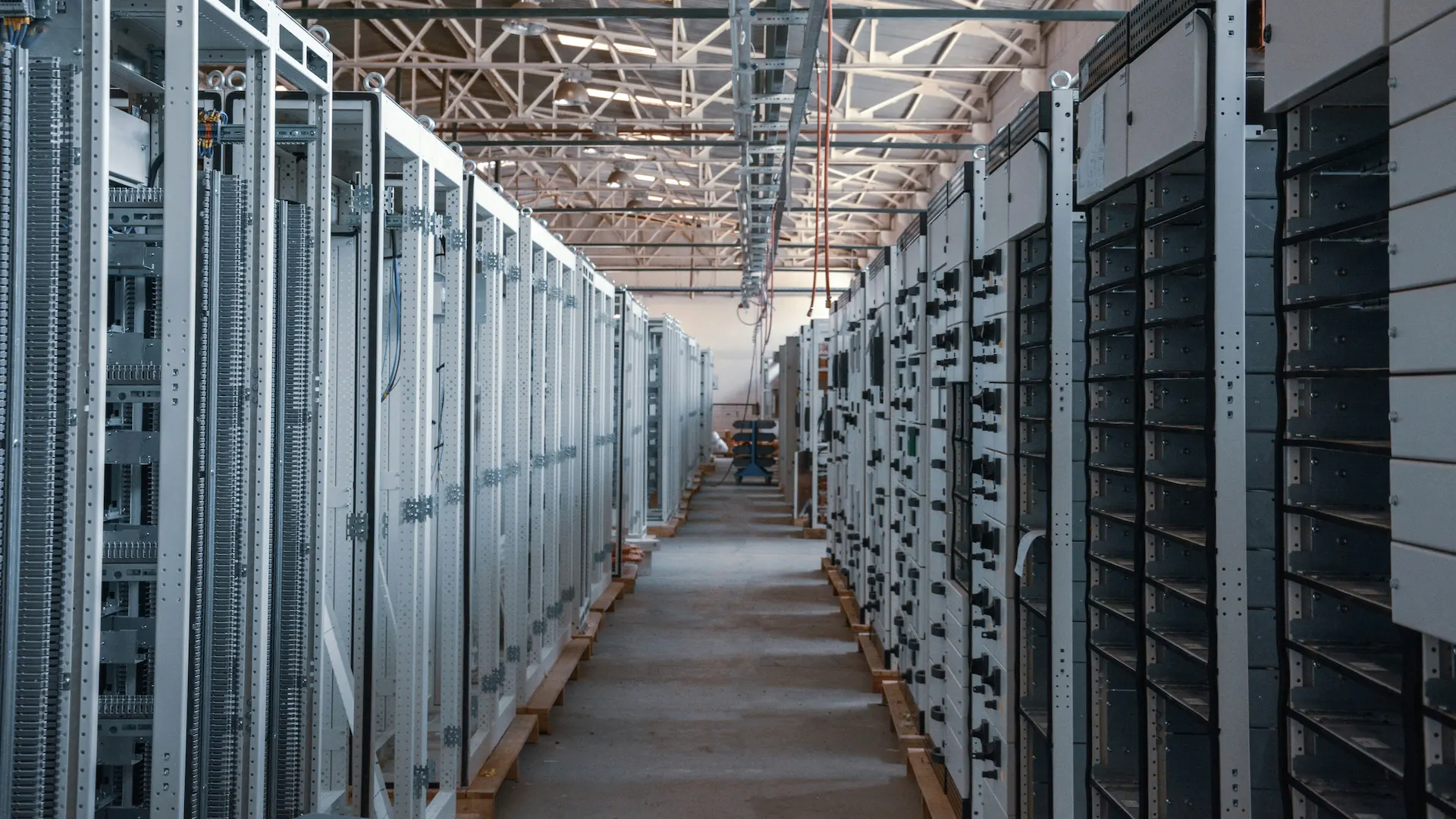
DayOne, the data center operator affiliated with China’s GDS Holdings, is planning a U.S. initial public offering that could raise up to $5 billion and value the company near $20 billion. The IPO offering, supported by major banks including JPMorgan and Morgan Stanley, would rank among the largest Asia-headquartered listings in the U.S. this year. The move highlights growing data center industry growth and adds new focus to GDS stock, GDS holdings stock and GDS stock price as investors watch the parent company’s market outlook.
Why DayOne’s IPO matters for GDS Holdings stock
DayOne’s IPO is significant for several global reasons. First, it highlights how infrastructure assets—especially data centers—are attracting major global investment. As AI adoption grows and cloud computing expands, demand for data center capacity is rising at unprecedented rates. Companies like DayOne sit at the heart of this trend because they provide the physical infrastructure that powers digital services.
Second, the IPO reflects how Asian firms are increasingly seeking access to U.S. capital markets. U.S. exchanges remain attractive due to deep liquidity, strong investor interest, and the ability to raise large amounts of capital. For DayOne, a U.S. IPO could provide the funds needed to expand data center capacity, invest in advanced technology, and support global growth.
Data center industry growth drives DayOne IPO
The data center industry growth has made data centers a core component of the global economy. They support cloud services, streaming platforms, AI training, and enterprise digital transformation. As AI models become larger and more complex, the need for advanced data centers increases, making the sector attractive to long-term investors seeking stable returns and high growth potential.
Data centers are also strategically important. They are critical infrastructure that supports national security, economic stability, and global communications. As a result, investors are increasingly viewing data centers as essential assets rather than optional tech investments.
Cross-border IPOs and the DayOne initial public offering
DayOne’s planned IPO highlights a growing trend of cross-border listings. Companies around the world are increasingly choosing U.S. markets for major capital raises. This trend reflects several factors:
- U.S. markets offer deep liquidity and broad investor access
- Global companies can achieve higher valuations
- The U.S. is a leading market for technology and infrastructure investment
- Cross-border IPOs can improve corporate visibility and credibility
If DayOne successfully completes its IPO, it may encourage other Asian infrastructure firms to follow suit. This could increase competition in global capital markets and reshape the landscape of data center ownership.
What investors should watch in the DayOne IPO
Several factors will determine the success of DayOne’s IPO:
- Market conditions and investor sentiment
- Regulatory and geopolitical risks
- Data center growth rates and demand forecasts
- Pricing strategy and valuation expectations
If the IPO is successful, DayOne will have the capital to expand aggressively, which could reshape the competitive dynamics of the data center industry.
Final thoughts on the DayOne IPO and GDS stock
DayOne’s planned $5 billion U.S. IPO is a major development for global digital infrastructure. It highlights the growing importance of data centers in the AI era and reflects broader trends of cross-border capital flows. As AI and cloud computing continue to expand, data centers will remain a key focus for global investors—and DayOne is positioning itself to be a major player in this transformation.
As DayOne moves toward a potential $5 billion U.S. IPO, the deal signals strong investor confidence in data center demand driven by AI, cloud, and digital transformation. A successful listing would deepen U.S.–Asia capital ties and accelerate global infrastructure expansion. Analysts will closely watch pricing, demand, and geopolitical risks, while the broader data center market anticipates further consolidation and investment in energy-efficient, hyperscale facilities.
UCapital Asset Management LLP or group companies may have commercial relationships with the companies mentioned. This content is not financial advice.
Sign up for free to ask the AI about this article.
Multiples, financials, sentiment and risks in 60 seconds, with live data.