
How the Bundesliga is reshaping media rights economics — and what Serie A can learn from it

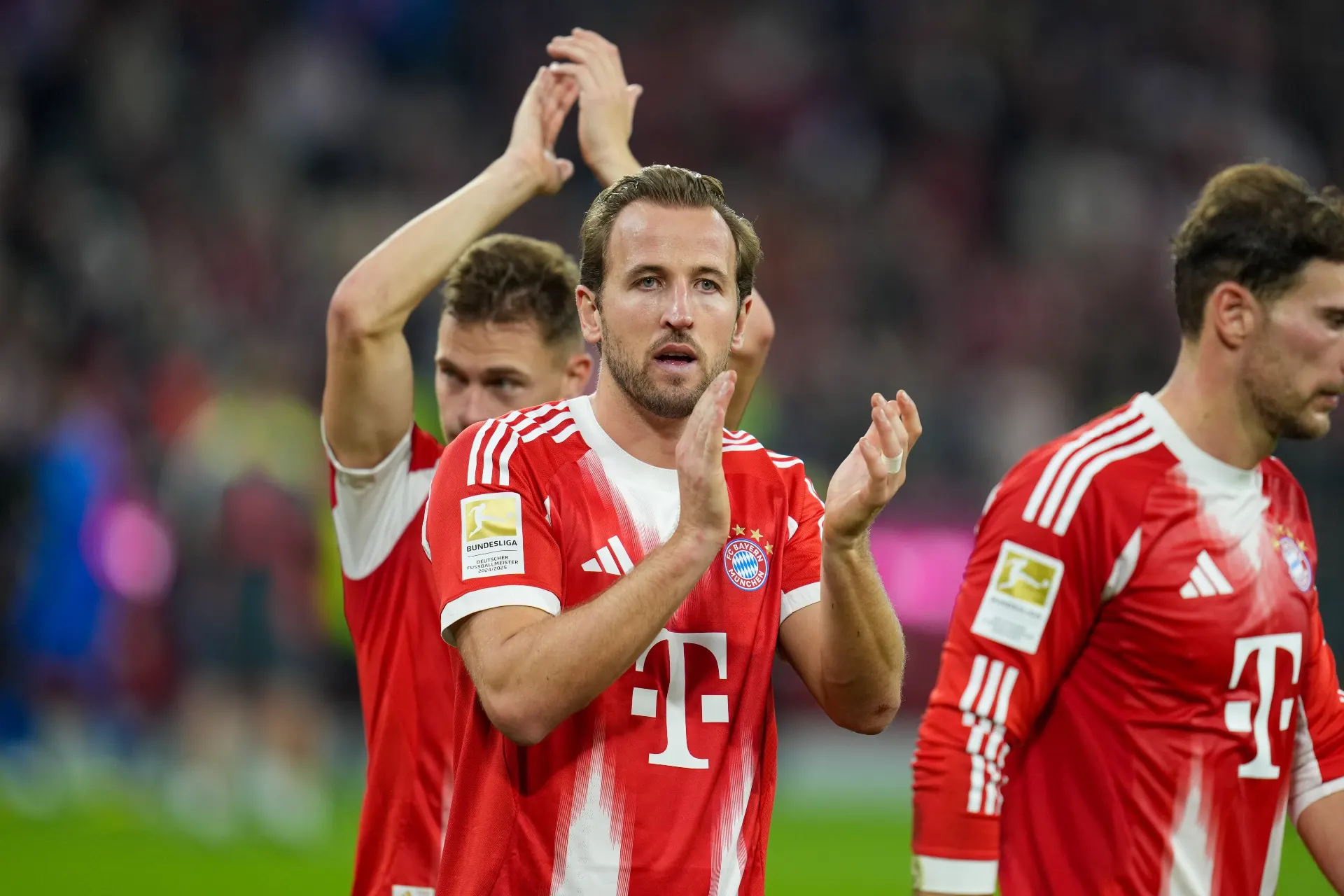
As traditional television growth slows and digital platforms redefine how sports content is consumed, Europe’s top football leagues are being forced to rethink how they sell, distribute and monetise media rights. The Bundesliga has emerged as one of the most aggressive experimenters in this new landscape, turning media rights into a hybrid tool of revenue generation and global marketing. Serie A, by contrast, has so far moved more cautiously — but the gap between the two approaches is becoming increasingly visible.
A changing media landscape
Against the backdrop of declining linear TV audiences and the rapid expansion of digital platforms, the Bundesliga was one of the first major European leagues to systematically rethink its international media rights strategy. Instead of relying on a single dominant broadcaster in each market, Germany’s top flight has built a complex, multi-layered distribution model in which media rights function not only as a source of income but also as a long-term brand-building instrument.
For the 2025/26 season, the Bundesliga has sold international rights to more than 40 broadcasters, collectively covering around 100 countries. In terms of distribution breadth, this is one of the most diversified portfolios in European football. Crucially, the strategy is not designed to maximise short-term fees, but to grow audiences, strengthen brand equity and lay the groundwork for more valuable media rights cycles in the future.
Revenue today versus growth tomorrow
The financial context is key. Domestic media rights in Germany currently generate approximately €1.12 billion per year for the Bundesliga. International revenues, however, still lag significantly behind those of the English Premier League. As a result, overseas markets are viewed as the league’s primary long-term growth engine — one where experimentation is not only tolerated but encouraged.
The Bundesliga’s underlying assumption is that future media rights value will depend less on exclusivity and more on sustained audience engagement, particularly in digital environments. That shift requires a more complex operational model, but it also promises higher long-term brand valuation.
Market-by-market thinking: the Brazil case
At the heart of the strategy is a market-by-market approach. Before awarding rights, the Bundesliga analyses viewing habits, pay-TV penetration and digital consumption patterns in each territory. Brazil is the clearest example of this logic in action. With pay-TV penetration at roughly 8%, selling exclusive rights to a traditional cable broadcaster would have meant forfeiting the vast majority of the potential audience.
Instead, the league opted for a non-traditional model, signing multiple deals that include YouTube channels CazéTV and Canal GOAT, alongside digital platform OneFootball. Initially designed to maximise reach, the model has also begun to deliver tangible financial returns. Bundesliga matches in Brazil now attract up to five million views per matchday, making it the most-watched European league in the country.
As audiences have grown, revenues have followed — through licensing fees, advertising integrations and increased interest from sponsors targeting digitally native fans.
Europe: prioritising stability
In Europe, the Bundesliga applies a more traditional approach. Pay-TV and major streaming platforms remain dominant, particularly in mature media markets. As a result, the league continues to prioritise long-term contracts with established broadcasters in Italy, France, Spain, Eastern Europe and Scandinavia, ensuring predictable and stable income streams.
This dual strategy allows the Bundesliga to combine aggressive audience expansion in emerging digital markets with financial stability in established ones.
The UK as a testing ground
The UK represents the Bundesliga’s most ambitious experimental market. With the Premier League dominating attention and media space, growth opportunities for foreign leagues are limited. In the current rights cycle, the Bundesliga renewed its partnership with Sky Sports, granted Amazon Prime Video exclusive pay-per-view rights to Sunday matches, and made a bold move by awarding up to 20 Friday night games to the BBC and YouTube creators The Overlap and That’s Football, led by Mark Goldbridge.
Financially, the league has managed to maintain comparable revenues to the previous cycle, while dramatically increasing reach. According to Bundesliga International, viewership for Friday night matches has increased by 15 to 20 times, with a significant shift towards younger audiences. From a financial perspective, this expands the future monetisation base — from subscriptions and merchandise to paid streaming in subsequent cycles.
Influencers as a new class of rights holders
A defining feature of this model is the recognition of YouTube creators as a new class of media rights partners. Rather than treating influencers as competitors to traditional broadcasters, the Bundesliga views them as marketing channels capable of reaching audiences that have largely abandoned linear television. In this context, free-to-air access is not a loss of revenue but a brand investment.
Direct-to-consumer as a safety net
Direct-to-consumer distribution is another pillar of the strategy. Bundesliga Pass, available via OneFootball in India, South Africa and Vietnam, allows fans to purchase matches on a pay-per-view basis or via season passes. While DTC revenues remain modest compared to large broadcast deals, the model provides valuable user data and serves as a safety net in “dark markets” where full-scale broadcast agreements are not viable.
The United States: the next growth frontier
The US remains a strategic priority. The Bundesliga’s current deal with ESPN, reportedly worth around $30 million per year, expires after the 2025/26 season. The league aims to increase the value of its next agreement by investing in local production, marketing and fan engagement. This effort is supported by a 17-year partnership with Relevent, which manages not only media rights sales but also long-term brand development in the US and Latin America.
What Serie A is already doing — and what it could adopt
Serie A has already adopted some elements of a comparable strategy. Its international rights footprint has expanded, and the league continues to rely on stable relationships with major broadcasters, ensuring predictable revenue streams. In that sense, Serie A remains closer to a traditional European media rights model focused on income preservation rather than rapid audience expansion.
The key difference lies in flexibility. Compared to the Bundesliga, Serie A has made limited use of free-to-air formats and has barely engaged influencers or digital creators as formal media partners. Distribution remains heavily reliant on traditional broadcasters, which restricts penetration among younger audiences and in markets with low pay-TV adoption.
One of the most transferable lessons from the Bundesliga is the market-by-market mindset. This is particularly relevant for Serie A in Latin America, Africa and parts of Asia, where interest in Italian football is strong but consumer purchasing power is limited. Carefully deploying YouTube partnerships, free showcase matches and hybrid monetisation models could significantly increase reach without materially undermining revenues.
Another area for potential growth is direct-to-consumer. Serie A benefits from globally recognisable club brands, yet direct engagement with international fans remains underdeveloped. The Bundesliga’s DTC model demonstrates that such services do not need to replace broadcasters, but can complement them by covering underserved markets and capturing audience data.
Finally, Serie A could benefit from adopting the Bundesliga’s “laboratory market” approach. By using selected territories — such as the US or Brazil — to test new distribution formats without jeopardising core contracts, the league could generate valuable insights ahead of future media rights cycles.
UCapital Asset Management LLP or group companies may have commercial relationships with the companies mentioned. This content is not financial advice.
Sign up for free to ask the AI about this article.