
The most profitable Olympic Games in history

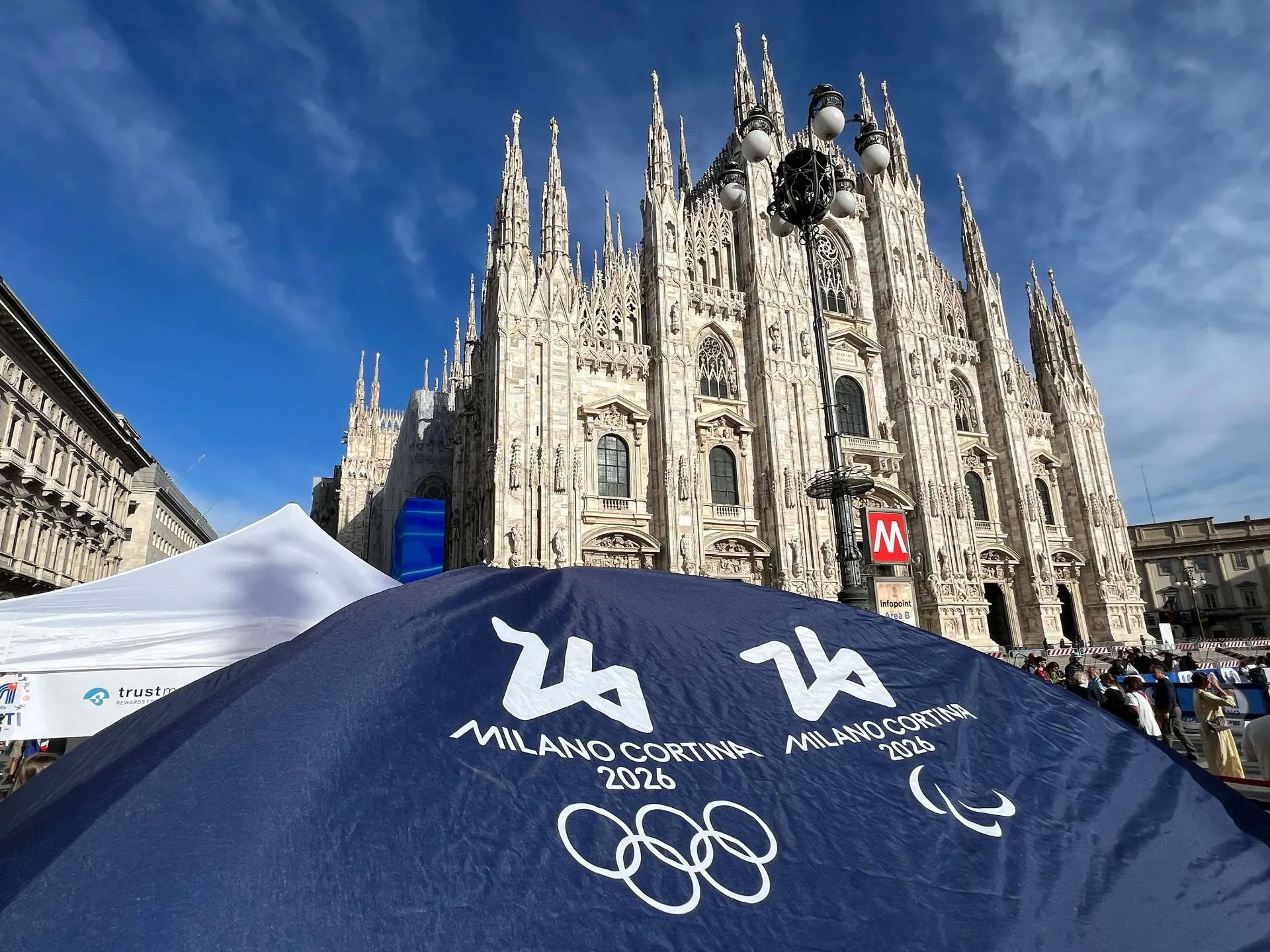
The Olympic Games are usually presented as a celebration of sport and international unity. For host countries and cities, however, they are also massive economic undertakings involving multi-billion-dollar budgets, complex financing schemes and, more often than not, disappointing financial results. Only a handful of Olympics have come close to being genuinely profitable. Looking back at those rare cases helps explain what works — and what Italy hopes to achieve with the Milan–Cortina Games in 2026.
Los Angeles 1984: the benchmark for commercial success
The 1984 Summer Olympics in Los Angeles are widely regarded as the most profitable Games in history. Net profit is estimated at between $215 million and $250 million at the time, equivalent to roughly $650–800 million in today’s dollars.
Their success was rooted in a radically different financial model. After the disastrous losses of the Montreal Olympics in 1976, U.S. authorities refused to offer state guarantees and shifted the financial risk almost entirely to the private sector. Organizers relied heavily on existing sports venues, secured exclusive sponsorship deals with major corporations and, crucially, turned television rights into a central revenue stream, selling them for record sums. Los Angeles proved that the Olympics could function not only as a prestige project, but as a commercially viable enterprise.
Atlanta 1996: putting business first
Atlanta followed a similar logic. Hosting the Games in the centennial year of the modern Olympic movement, the city embraced a market-driven approach that ultimately delivered a modest but real profit, estimated at $10–20 million.
The Games were often criticized for excessive commercialization and an overwhelming presence of advertising, yet financially the strategy worked. Costs were largely offset by sponsorship income, ticket sales and broadcast revenues, while the city avoided large investments in facilities that would later struggle to find use. Atlanta demonstrated that profitability, even on a small scale, was possible with disciplined spending.
London 2012: indirect gains over direct profit
In accounting terms, the London Olympics were not profitable. Total costs far exceeded initial projections and reached around $14 billion. Still, many economists describe London 2012 as a success when viewed through the lens of long-term economic impact.
Rather than chasing short-term returns, London used the Games as a tool for urban regeneration, particularly in the city’s eastern districts. The result was a surge in private investment, a lasting boost to the city’s global profile and Olympic venues that continued to generate commercial value after the closing ceremony. In this case, the return on investment was structural and delayed rather than immediate.
Barcelona 1992: the Olympics as a catalyst for growth
Barcelona offers one of the clearest examples of what might be called strategic profitability. While the Games themselves did not generate direct financial surplus, they triggered a profound transformation of the city.
Massive investments in transport, urban infrastructure and the redevelopment of the waterfront reshaped Barcelona’s economy and international image. In the decades that followed, the city emerged as one of Europe’s leading tourist destinations, with sustained growth in services, real estate and business activity. The Olympics paid off not in balance sheets, but in long-term economic momentum.
Winter Games: rare but notable successes
Winter Olympics tend to be less profitable due to their smaller scale and more limited global audience. Even so, there are exceptions. The 2002 Games in Salt Lake City are often cited as one of the most financially successful Winter Olympics.
Strong private-sector support, careful budget management and a clear plan for post-Olympic use of venues allowed organizers to achieve an operating surplus and avoid the long-term financial burden that has plagued many other host cities.
Milan–Cortina 2026: how much Italy stands to gain
Unlike past Olympics, the financial outcome of the Milan–Cortina 2026 Winter Games can only be estimated in advance. Still, early assessments by Italian banks and economists provide a sense of scale.
According to these estimates, the overall economic impact for Italy could reach €5–5.5 billion. This figure does not represent net profit, but rather additional economic activity generated by the Games, including tourism spending, business turnover and the long-term value of new infrastructure.
A significant share of this impact is expected to come from direct spending by visitors and participants, as well as increased tourism revenues in the year following the Games. An even larger portion reflects the long-term economic value of transport upgrades, sports facilities and improvements to urban infrastructure.
What this means for Milan
For Milan, the main host city and the economic heart of Lombardy, the benefits are expected to be largely indirect. Hotels, restaurants and service businesses are likely to see higher demand, while the city’s role as a hub for international events and business tourism should be strengthened. Major transport investments in the region, estimated at close to €1 billion, are also expected to support growth beyond the Olympics themselves.
At the same time, the operating budget of the Games is estimated at €1.7–1.9 billion, with much of the infrastructure spending covered by public funds. This makes a Los Angeles–style accounting profit highly unlikely. Instead, Milan’s payoff lies in long-term economic resilience and enhanced global visibility.
The history of the Olympic Games suggests that financial success is the exception rather than the norm. The few profitable examples share common traits: reliance on existing infrastructure, a strong role for private capital, tight cost control and a clear plan for what happens after the Games.
Milan–Cortina 2026 fits into a newer Olympic model, one focused less on immediate profit and more on long-term economic impact. For Milan, the real return will not be measured in short-term revenues, but in its strengthened position as a European center for tourism, business and international events.
UCapital Asset Management LLP or group companies may have commercial relationships with the companies mentioned. This content is not financial advice.
Sign up for free to ask the AI about this article.